by Herbert | 13. Jun, 2023 | Lock technology
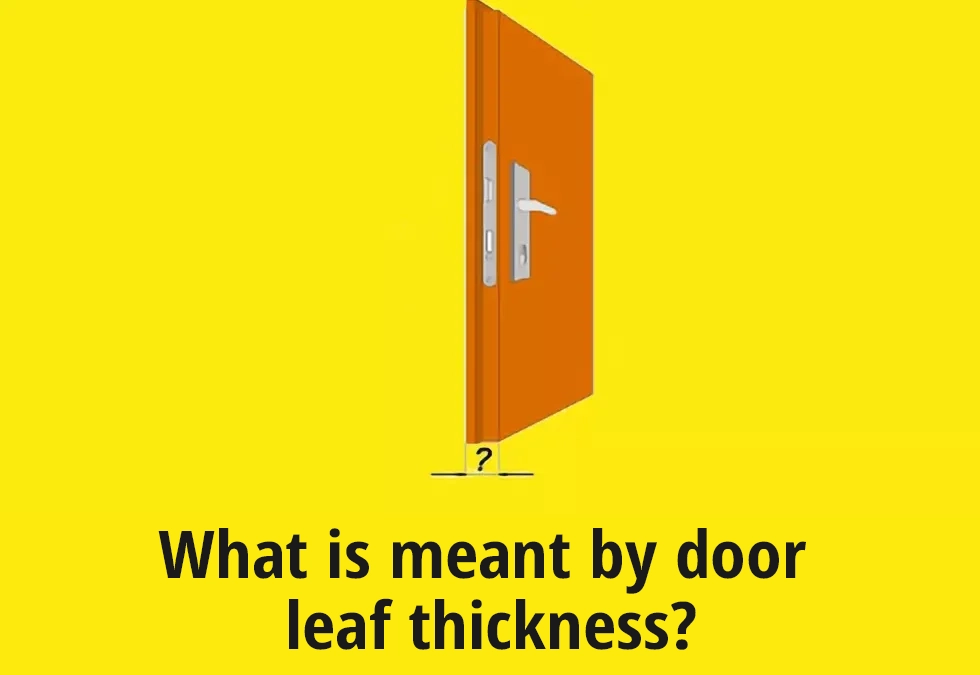
The door leaf thickness indicates the thickness of the door leaf and is a key factor when choosing the right locking cylinder. Indoors, a standard room door or standard door is typically around 40 millimeters thick. However, outdoors, especially for entrance doors, a...
by Herbert | 8. Jun, 2023 | Lock technology
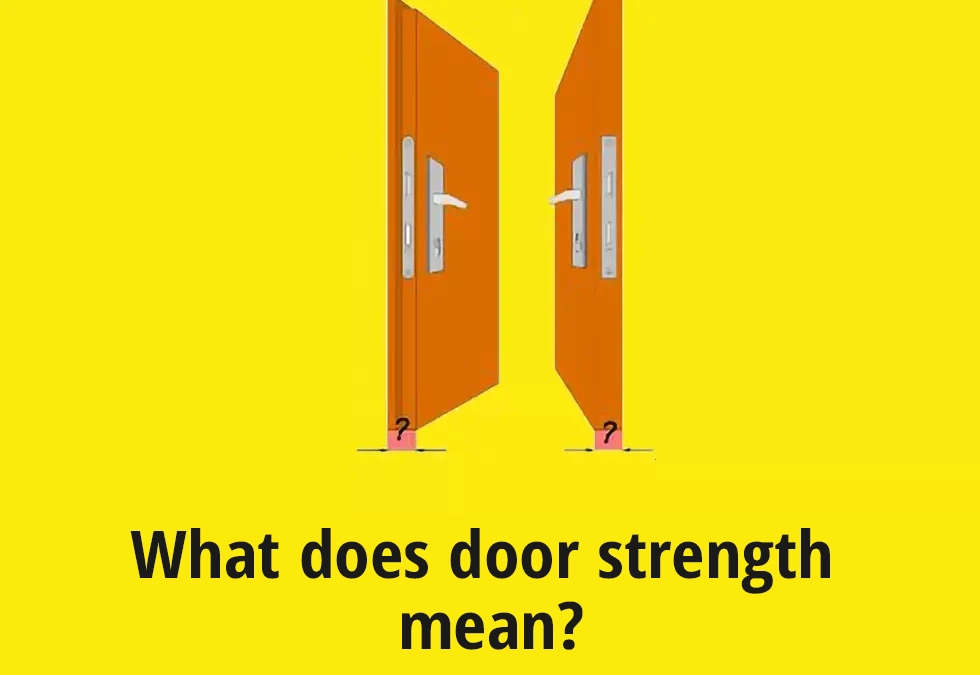
The door thickness, also known as the door leaf thickness in technical jargon, indicates the thickness of the door leaf. A normal room door or a standard interior door has a door thickness of around 40 millimeters. Entrance doors or exterior doors have a greater door...
by Herbert | 7. Jun, 2023 | Lock technology
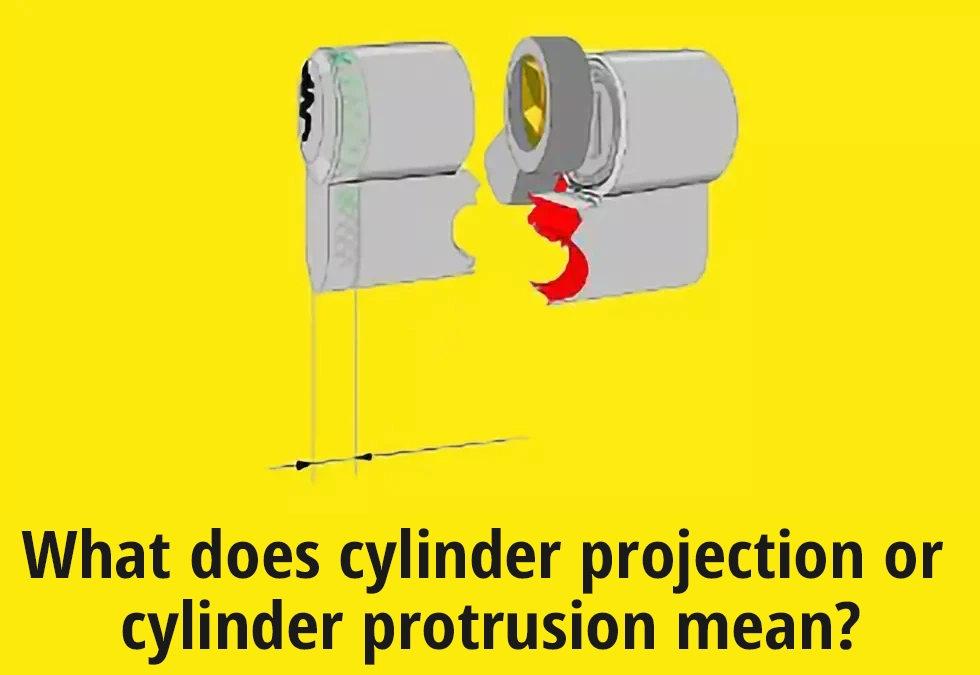
Cylinder protrusion refers to the protrusion or projection of a locking cylinder from the door leaf (the door surface). This determines which cylinder length and which fitting should be used for a door. Even short cylinders can have a protrusion of a few millimeters,...
by Herbert | 30. May, 2023 | Lock technology
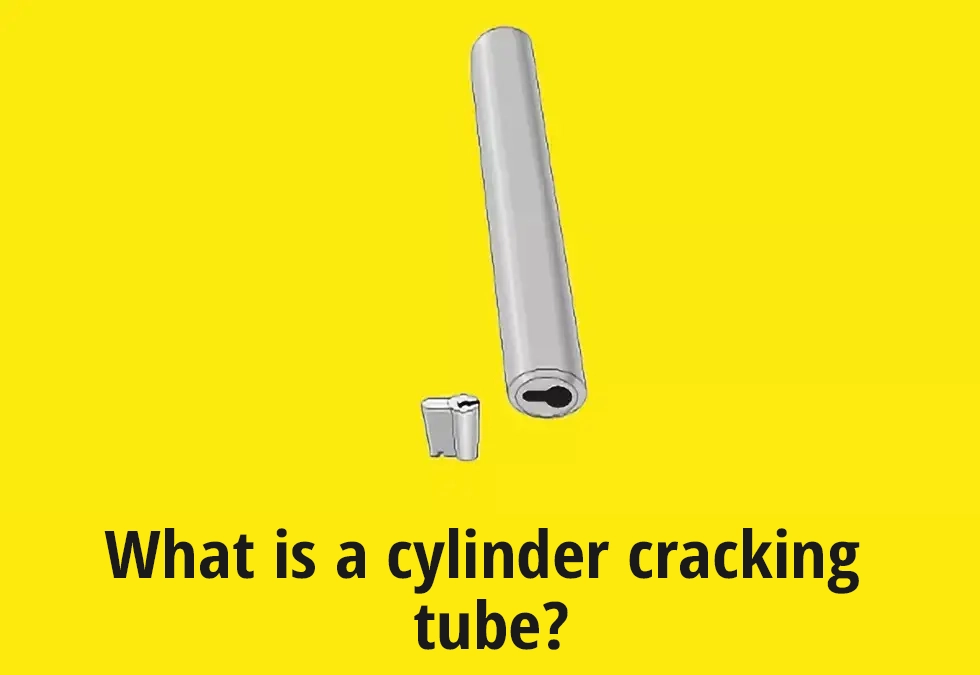
A cylinder breaker is a special tool used by emergency locksmiths that can be used to break off locking cylinders that protrude only a few millimeters. To prevent deformation after repeated use, the breaker is usually made of high-quality steel. Many breaker bars can...
by Herbert | 29. May, 2023 | Lock technology
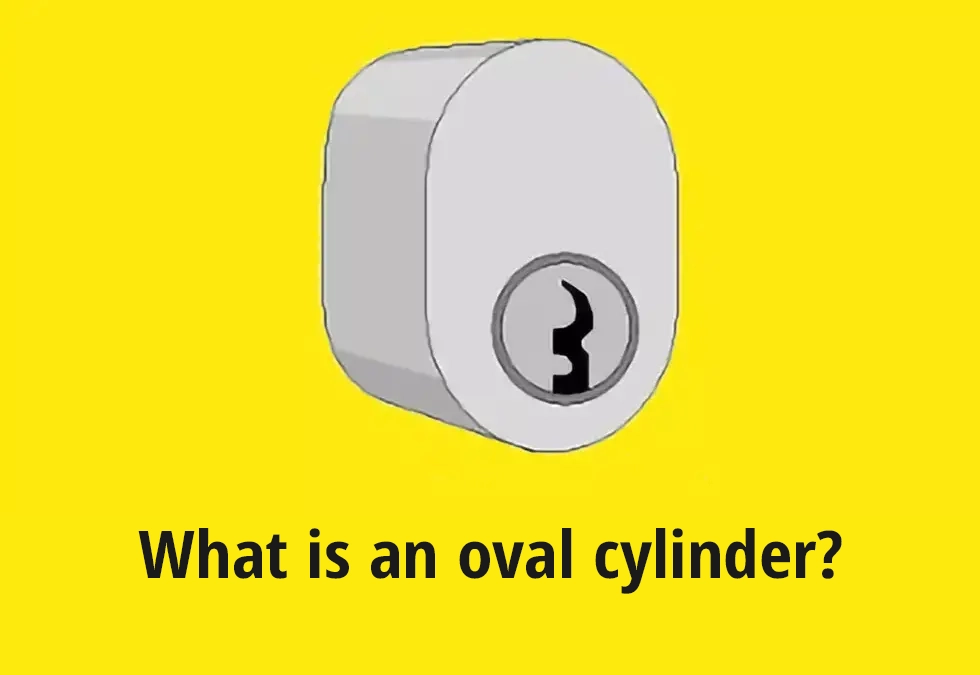
Oval cylinders, or cylinders with an oval shape, are sometimes used for furniture, filing cabinets, drawer cabinets, and the like. These are often push-type cylinders that lock the cabinet simply by applying pressure or simply pushing it in. Additional locking is not...
by Herbert | 29. May, 2023 | Lock technology
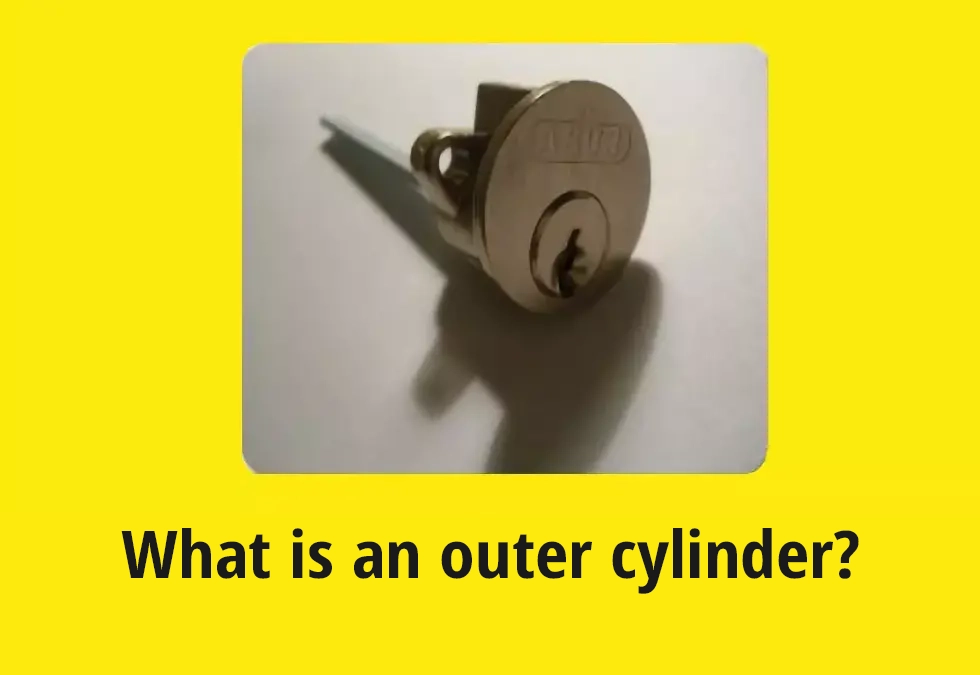
Some doors have a rim lock that is screwed to the door from the inside. Opening this rim lock requires an external cylinder. This external cylinder is screwed to the inside of the door. The lock is unlocked or locked with the help of a metal tongue as soon as the key...